Choosing the Best Home Siding: A Comprehensive Guide
Delving into the realm of home siding, this guide aims to provide a detailed look at the different types of materials, factors to consider when choosing, installation processes, and maintenance tips. Whether you’re a homeowner looking to refresh your exterior or simply curious about the world of siding, this information-packed piece has got you covered.
Types of Home Siding

When it comes to home siding, there are various materials to choose from, each with its own set of pros and cons. Here are five different types of home siding materials along with their characteristics:
Vinyl Siding
- One of the most popular choices due to its affordability and low maintenance.
- Durable and resistant to rot, rust, and pests.
- Comes in a wide range of colors and styles.
Wood Siding
- Provides a classic and natural look to homes.
- Requires regular maintenance such as painting or staining to prevent rot and insect damage.
- Higher cost of installation compared to vinyl siding.
Fiber Cement Siding
- Resistant to fire, rot, and insects.
- Durable and low maintenance, with a long lifespan.
- Higher initial cost but can be cost-effective in the long run due to its durability.
Brick Siding
- Offers a timeless and elegant look to homes.
- Extremely durable and resistant to fire, rot, and pests.
- Higher cost of installation compared to other siding materials.
Aluminum Siding
- Lightweight, affordable, and easy to install.
- Resistant to fire, rot, and insects.
- May dent easily and require repainting over time.
Factors to Consider When Choosing Home Siding
When selecting home siding materials, several factors need to be taken into consideration to ensure the longevity and aesthetic appeal of your home. Factors such as climate, architectural style, maintenance requirements, color, and texture play a crucial role in making the right choice for your home.
Importance of Climate
Climate is a significant factor to consider when choosing home siding materials. Different climates require different types of siding to withstand the elements. For example, in areas with high humidity, vinyl siding is a popular choice as it is resistant to moisture and mold.
In contrast, fiber cement siding is better suited for areas with extreme temperature fluctuations.
Architectural Style Influence
The architectural style of your home can greatly influence the choice of siding. For traditional homes, wood siding may be the perfect fit to maintain the classic look. Modern homes, on the other hand, may benefit from the sleek appearance of metal or composite siding.
It is essential to choose siding that complements the overall design aesthetic of your home.
Maintenance Requirements
Different siding materials have varying maintenance requirements. For example, wood siding needs regular painting or staining to prevent rot and decay, while vinyl siding is relatively low maintenance and only requires occasional cleaning. Consider the amount of time and effort you are willing to put into maintaining your siding when making your selection.
Choosing Color and Texture
When choosing the color and texture of your siding, consider the overall design of your home. Lighter colors can make a home appear larger, while darker colors can add depth and sophistication. Textured siding can add visual interest and character to your home’s exterior.
It is crucial to choose colors and textures that complement the style and architecture of your home.
Installation Process of Home Siding
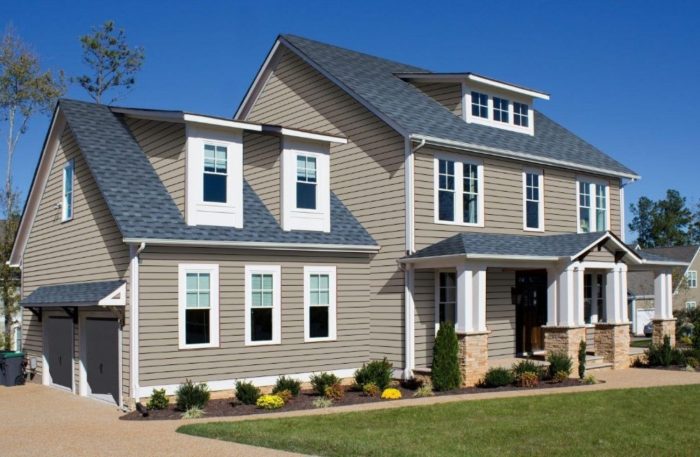
When it comes to installing home siding, the process can be a bit daunting for homeowners. However, with the right tools, equipment, and knowledge, it is possible to complete the task successfully. Proper installation is crucial for the longevity and effectiveness of the siding, so it’s important to follow the correct steps.
Step-by-Step Installation of Traditional Vinyl Siding
- Prepare the surface by cleaning and removing any old siding or debris.
- Install the starter strip along the bottom of the wall to hold the first row of siding.
- Begin installing the siding panels, starting from the bottom and working your way up.
- Cut the panels to fit around windows, doors, and corners as needed.
- Secure the panels with nails or clips, ensuring they are level and properly aligned.
- Finish the installation by adding trim pieces and corner posts for a polished look.
Tools and Equipment Needed for a DIY Siding Installation Project
- Vinyl siding panels
- Starter strip
- Nails or clips
- Tape measure and utility knife
- Siding cutting tools
- Level and chalk line
Common Challenges During Siding Installation
- Improper alignment of panels
- Difficulty cutting panels to fit around obstacles
- Inadequate insulation or moisture barriers
- Weather conditions affecting installation process
Importance of Proper Insulation and Moisture Barriers
Installing siding without proper insulation and moisture barriers can lead to various issues such as mold growth, water damage, and decreased energy efficiency. These barriers help protect the home from moisture infiltration and maintain a comfortable indoor environment. It is essential to follow manufacturer recommendations and guidelines for insulation and barriers to ensure a successful siding installation.
Maintenance and Repair of Home Siding
Regular maintenance is essential to ensure the longevity and aesthetic appeal of your home siding. By performing routine upkeep and addressing any issues promptly, you can prevent costly repairs and maintain the value of your property.
Regular Maintenance Tasks
- Inspect the siding for any signs of damage, such as cracks, warping, or mold growth.
- Clean the siding regularly to remove dirt, debris, and mildew that can accumulate over time.
- Trim any trees or shrubs near the siding to prevent damage from branches rubbing against the surface.
- Check for loose or missing pieces of siding and replace them as needed to maintain the integrity of the exterior.
Tips for Cleaning Different Siding Materials
- For vinyl siding, use a mixture of water and mild detergent to scrub away dirt and grime.
- Wood siding can be cleaned with a mixture of water and bleach to remove mold and mildew.
- Fiber cement siding should be cleaned with a soft brush and a solution of water and mild soap to avoid damaging the surface.
- For metal siding, use a pressure washer on a low setting to remove dirt and debris effectively.
Identifying Common Issues
- Cracks in the siding can allow water to seep in and cause damage to the underlying structure.
- Warping of the siding may indicate moisture infiltration or improper installation.
- Mold growth on the siding can be a sign of excess moisture and poor ventilation in the area.
Importance of Timely Repairs
Timely repairs are crucial to prevent further damage to the home’s exterior and avoid costly repairs down the line. Addressing issues promptly can help maintain the structural integrity of the siding and prolong its lifespan.
Final Summary
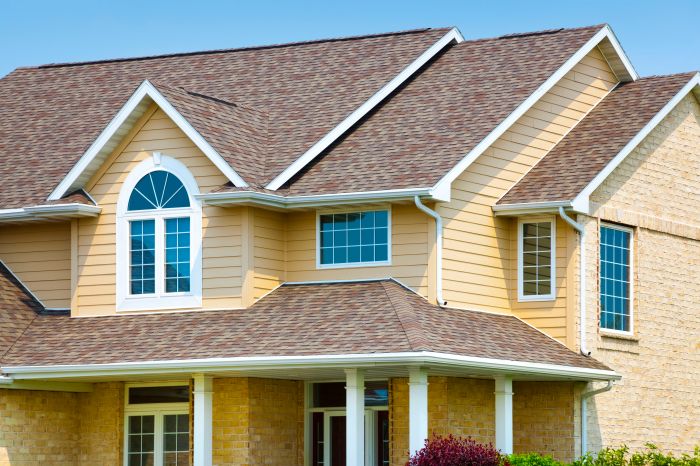
Wrapping up our exploration of home siding, we’ve covered everything from material options to installation techniques and maintenance essentials. Armed with this knowledge, you’re now equipped to make informed decisions about your home’s exterior. Here’s to a beautiful and durable siding that enhances your living space!
FAQ Explained
What is the most durable type of home siding?
The most durable type of home siding is fiber cement, known for its longevity and resistance to elements.
Does the color of siding affect energy efficiency?
Yes, darker colors absorb more heat, potentially increasing energy costs, while lighter colors reflect heat and can be more energy-efficient.
Can I paint my vinyl siding?
Yes, vinyl siding can be painted, but it’s essential to use the right type of paint and follow proper preparation steps for a lasting finish.