Exploring House Siding Cost Per Square Foot
Delving into the world of house siding cost per square foot, this introductory paragraph aims to provide a sneak peek into the intricate details that govern the pricing, enticing readers to learn more.
As we navigate through the various factors affecting the cost, materials used, and installation expenses, a comprehensive understanding of house siding costs will unfold.
Factors Affecting House Siding Cost Per Square Foot
When determining the cost of house siding per square foot, several factors come into play that can influence the overall price. Let’s explore some of the key elements that impact the cost of house siding.
Types of House Siding Materials
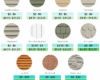
Different types of house siding materials can have a significant impact on the cost per square foot. Some common siding materials include vinyl, wood, fiber cement, metal, and stucco. Each material varies in price based on factors such as durability, maintenance requirements, and aesthetic appeal.
Size and Layout of the House
The size and layout of the house play a crucial role in determining the cost of siding per square foot. Larger homes will naturally require more materials, increasing the overall cost. Additionally, houses with complex layouts, such as multiple stories or architectural features, may require additional labor and materials, further impacting the cost.
Additional Features like Insulation or Trim
Incorporating additional features like insulation or trim can also affect the cost of house siding per square foot. While these features can enhance the energy efficiency and visual appeal of the home, they also come with added costs. Insulation, for example, can increase the upfront cost but may result in long-term savings on energy bills.
Similarly, intricate trim details can add to the overall cost of the siding installation.
Average Cost Range for Different Siding Materials
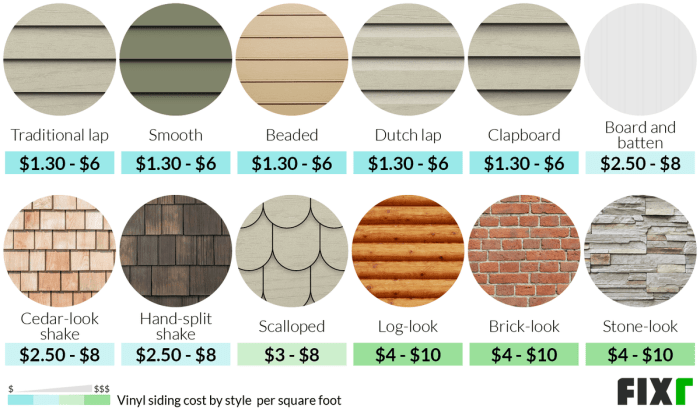
When considering the cost of siding for your home, it is essential to compare the different materials available in the market. Each material comes with its own price range, influenced by factors such as durability, maintenance requirements, and aesthetic appeal.
Vinyl Siding
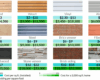
Vinyl siding is one of the most affordable options, with an average cost range of $2 to $7 per square foot. The quality of vinyl can vary, impacting the price. Basic vinyl siding will fall on the lower end of the cost spectrum, while premium options with enhanced features or textures will be more expensive.
Wood Siding
Wood siding is a popular choice for its natural beauty but comes with a higher price tag compared to vinyl. The average cost range for wood siding is between $6 to $12 per square foot. The type of wood used, such as cedar or redwood, will affect the overall cost.
Fiber Cement Siding
Fiber cement siding is known for its durability and low maintenance requirements. The average cost range for fiber cement siding is around $5 to $12 per square foot. Higher-quality fiber cement products with better warranties or finishes will be at the higher end of the price range.
Stucco Siding
Stucco siding provides a unique look and is relatively low maintenance. The average cost range for stucco siding is between $6 to $9 per square foot. The cost can increase depending on the complexity of the stucco application or any additional customization.
Maintenance Implications
When considering the cost of siding materials, it is essential to factor in maintenance requirements. While vinyl siding may have a lower initial cost, it may require more frequent cleaning or repairs over time. On the other hand, materials like fiber cement or stucco may have higher upfront costs but minimal maintenance needs, saving you money in the long run.
Installation Costs and Labor Expenses
When considering the cost of house siding per square foot, it’s essential to factor in the installation costs and labor expenses. These can significantly impact the overall price and should not be overlooked.
Installation Costs
Installing house siding involves various costs such as materials, equipment, and labor. The installation costs contribute to the total price per square foot, depending on the complexity of the project and the chosen siding material. It is crucial to budget for these expenses to ensure a smooth and successful siding installation process.
Labor Expenses
Labor expenses are a significant component of the overall cost of house siding per square foot. Hiring skilled professionals to install the siding can increase the labor costs but ensure a high-quality and efficient installation. On the other hand, opting for a DIY installation can save on labor expenses but may require more time and effort, especially if you lack experience in siding installation.
Impact of Hiring Professionals versus DIY Installation
Hiring professionals for siding installation can lead to higher labor expenses but often results in a faster and more precise installation. Professionals have the expertise and tools to handle the job efficiently, reducing the risk of errors or delays. On the contrary, DIY installation can lower labor costs but may involve a steep learning curve and potential mistakes that could end up costing more in the long run.
Additional Costs to Consider
When budgeting for a house siding project, it’s essential to take into account potential additional costs that may arise. These extra expenses can include permits, disposal of old siding, and any necessary structural repairs. Failing to factor in these costs can lead to budget overruns and delays in the project completion.
To avoid such issues, here are some tips on how to effectively budget for unforeseen expenses during the siding project.
Permits and Disposal Costs
- Permits: Depending on your local regulations, you may need to obtain permits before starting the siding project. Permit costs can vary, so it’s important to check with your local authorities to determine the requirements and associated fees.
- Disposal of Old Siding: Removing and disposing of the old siding can also add to the overall cost. You may need to hire a waste removal service or rent a dumpster for this purpose.
Structural Repairs
- Structural repairs: It’s common to discover underlying structural issues while removing the old siding. Addressing these repairs promptly is crucial for ensuring the integrity of your home. Be prepared for potential costs related to fixing any damages found during the siding installation process.
Budgeting Tips for Unforeseen Expenses
- Include a contingency fund in your budget: Allocate a portion of your budget for unexpected costs that may arise during the project. A general rule of thumb is to set aside 10-20% of the total project cost as a contingency fund.
- Get multiple quotes: To avoid surprises, obtain quotes from multiple contractors and suppliers. Compare the estimates carefully and ensure they include all potential costs to make an informed decision.
- Plan for the unexpected: Anticipate challenges and setbacks along the way. By mentally preparing for unforeseen expenses, you can approach the project with a realistic outlook and better financial readiness.
Ending Remarks
Summing up our discussion on house siding cost per square foot, we’ve uncovered the key elements that play a crucial role in determining the overall expenses involved. From material choices to labor costs, budgeting for a siding project now holds no secrets.
FAQ Section
What are the cost factors influencing house siding prices?
The type of siding material used, the size and layout of the house, and additional features like insulation or trim can all impact the cost per square foot.
How do maintenance requirements affect the cost of different siding materials?
Maintenance needs can vary for different materials, affecting long-term costs. For example, wood siding may require more upkeep compared to vinyl.
What additional costs should be considered beyond material and installation?
Permits, disposal of old siding, structural repairs, and hidden costs should all be factored in to avoid exceeding the budget.