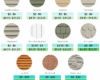
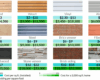
Exploring All Siding Options
Delve into the world of siding with a detailed look at various materials, installation processes, maintenance tips, environmental impacts, and cost considerations. Get ready to uncover everything you need to know about siding for your home or building.
Types of Siding Materials
When it comes to siding materials used in construction, there are several options available, each with its own set of benefits and drawbacks. The choice of siding material can impact the aesthetics, durability, and maintenance requirements of a building.
Vinyl Siding
Vinyl siding is a popular choice due to its affordability, low maintenance, and wide range of colors and styles. It is resistant to rot, insect damage, and fading, making it a durable option for many homes. However, vinyl siding can crack in extreme cold temperatures and is not as environmentally friendly as other materials.
Wood Siding
Wood siding offers a natural and timeless look to a home. It can be painted or stained in various colors and provides good insulation. However, wood siding requires regular maintenance to prevent rot, mold, and insect damage. It is also susceptible to fire and may be more costly than other materials.
Fiber Cement Siding
Fiber cement siding is a durable and low-maintenance option that mimics the look of wood or masonry. It is resistant to fire, insects, and rot, making it a long-lasting choice for many homeowners. However, fiber cement siding can be heavier and more difficult to install than other materials.
Brick Siding
Brick siding offers a classic and elegant appearance to a building. It is highly durable, fire-resistant, and requires minimal maintenance. However, brick siding can be expensive to install and may not provide as much insulation as other materials.
Stucco Siding
Stucco siding is a versatile option that can be applied to various architectural styles. It is durable, fire-resistant, and provides good insulation. However, stucco siding may crack over time and require periodic maintenance to keep it looking its best.
Installation Process
Installing siding on a building is a crucial step to protect and enhance the exterior of the structure. Here is a step-by-step guide on how to properly install siding, along with the necessary tools and equipment required for the job.
Preparation
Before starting the installation process, make sure to prepare the surface by cleaning it thoroughly and removing any debris or old siding. Inspect the walls for any damage and make necessary repairs before proceeding with the installation.
Tools and Equipment
- Vinyl siding panels
- J-trim, F-trim, and other necessary trim pieces
- Nails or screws
- Hammer or nail gun
- Tape measure
- Level
- Caulk and caulking gun
- Siding removal tool
- Safety gear (gloves, goggles, etc.)
Installation Steps
- Begin by installing the starter strip at the bottom of the wall, ensuring it is level.
- Install the corner pieces and J-trim around windows and doors for a clean finish.
- Overlap the first siding panel over the starter strip and nail it into place, making sure it is level.
- Continue installing the siding panels, overlapping each one slightly and securing them with nails or screws.
- Trim the panels as needed to fit around windows, doors, and corners using a saw or cutting tool.
- Finish the installation by adding the top trim pieces for a polished look.
Tip: Make sure to follow the manufacturer’s instructions for the specific type of siding you are installing to ensure a proper and durable installation.
Maintenance and Care
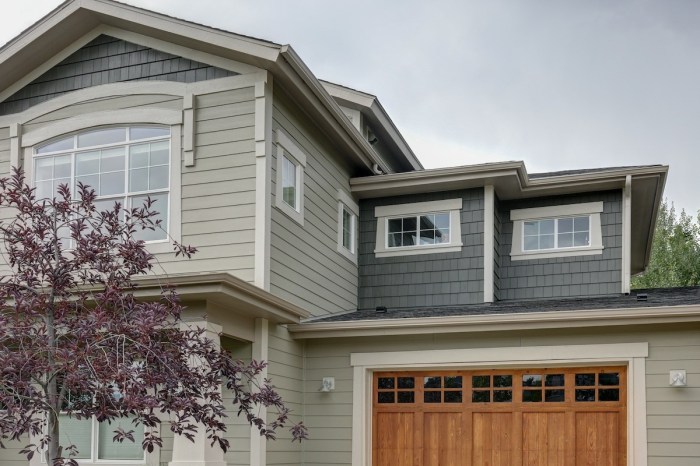
Proper maintenance is essential to ensure the longevity and appearance of your siding. Regular care and attention can prevent costly repairs and replacements down the line.
Cleaning and Preservation
- Regularly clean siding with a mild detergent, water, and a soft brush or cloth to remove dirt, mold, and mildew.
- Avoid using harsh chemicals or abrasive materials that could damage the siding’s surface.
- Rinse thoroughly with water after cleaning to prevent residue buildup.
- Inspect for any signs of damage, such as cracks, warping, or loose panels, and address them promptly.
Maintenance Tasks
- Trim vegetation near the siding to prevent moisture buildup and potential damage.
- Check for gaps or openings where pests could enter and seal them to protect your home.
- Repaint or refinish siding as needed to maintain its protective coating and aesthetic appeal.
Common Issues and Solutions
- Cracking:Fill cracks with caulking or replace damaged panels to prevent water infiltration.
- Fading:Apply UV-resistant paint or coatings to protect siding from sun damage.
- Mold and Mildew:Clean affected areas with a mixture of water and vinegar to inhibit growth.
Environmental Impact
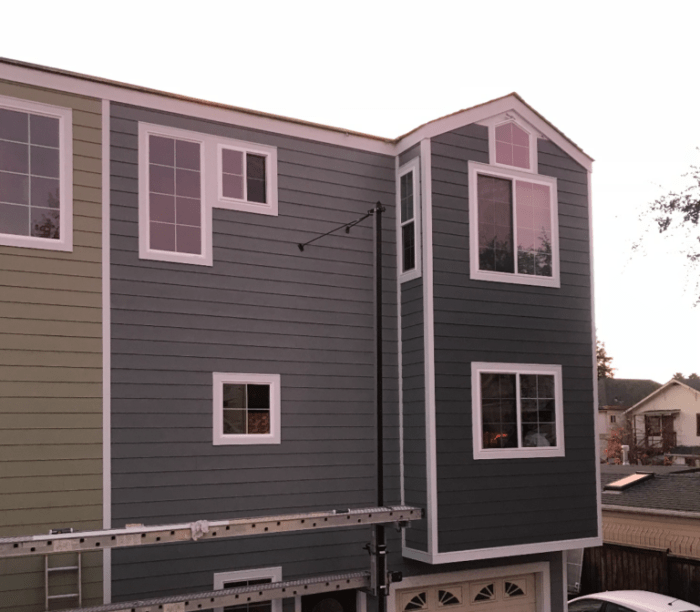
Environmental impact is a crucial factor to consider when choosing siding materials for your home. The eco-friendliness of various siding options can vary significantly, so it’s essential to understand the sustainability, recyclability, and energy efficiency of different choices.
Eco-Friendliness of Siding Materials
When evaluating the environmental impact of siding materials, factors such as the production process, transportation emissions, durability, and recyclability come into play. Some sustainable siding options include:
- Bamboo: Bamboo siding is a renewable resource that grows quickly and requires minimal energy and water for production.
- Recycled Metal: Siding made from recycled metal reduces the need for new materials and can be recycled again at the end of its lifespan.
- Cork: Cork siding is harvested from the bark of cork oak trees without harming the tree, making it a sustainable and biodegradable option.
Benefits of Sustainable Siding
Choosing sustainable siding materials not only reduces your carbon footprint but also offers benefits such as improved energy efficiency, better indoor air quality, and long-term cost savings. Sustainable siding options can help lower energy bills by providing better insulation and reducing heat loss in winter and heat gain in summer.
Recyclability and Energy Efficiency
Recyclability is an essential aspect of eco-friendly siding materials. Opting for recyclable siding options ensures that the materials can be repurposed or recycled at the end of their lifespan, reducing waste and environmental impact. Additionally, energy-efficient siding materials can help lower energy consumption by improving the overall insulation of your home, leading to reduced heating and cooling costs.
Cost Considerations
When it comes to choosing siding for your home, cost is a significant factor to consider. The initial investment and long-term expenses can vary depending on the material you choose and the installation process. It’s essential to understand the cost breakdown and find ways to save money without compromising quality.
Cost Factors in Choosing and Installing Siding
- Material Cost: Different siding materials have varying price points, with options like vinyl, wood, fiber cement, and metal. Consider the upfront cost of purchasing the materials.
- Installation Cost: Hiring professionals to install the siding can add to the overall expenses. Labor costs, complexity of installation, and the size of your home can all impact the installation cost.
- Additional Expenses: Don’t forget about additional expenses such as permits, tools, and any necessary repairs or preparation work before installing the siding.
Comparing Initial Investment and Long-Term Costs
- Vinyl Siding: Vinyl is often the most affordable option upfront, but it may require more frequent maintenance and replacement over time, increasing long-term costs.
- Fiber Cement Siding: While fiber cement has a higher initial cost, it is durable and requires less maintenance, potentially saving money in the long run.
- Wood Siding: Wood siding can be costly to install and maintain, with the potential for rot and pest issues that may increase long-term expenses.
- Metal Siding: Metal siding can have a higher upfront cost but offers durability and low maintenance, making it a cost-effective choice in the long term.
Tips to Save Money on Siding
- Compare Quotes: Get multiple quotes from different siding contractors to find the best price for installation.
- DIY Options: Consider tackling some of the siding installation yourself to save on labor costs, but ensure you have the skills and tools required.
- Maintain Regularly: Proper maintenance and care can extend the lifespan of your siding and reduce the need for costly repairs or replacements.
- Choose Quality Materials: Investing in high-quality siding materials upfront can save money in the long run by avoiding frequent repairs or replacements.
End of Discussion

As we wrap up our discussion on all siding, remember that choosing the right siding material is crucial for the longevity and aesthetics of your property. By understanding the different aspects we’ve covered, you can make an informed decision that suits your needs and budget.
Detailed FAQs
What are some eco-friendly siding options?
Some eco-friendly siding options include fiber cement, wood, and engineered wood siding, as they are made from sustainable materials.
How can I save money on siding installation?
You can save money on siding installation by obtaining multiple quotes from contractors, considering DIY options if feasible, and opting for cost-effective siding materials.
What are common maintenance tasks for siding?
Common maintenance tasks for siding include regular cleaning, inspection for damage or mold, and repainting or resealing as needed.