Exploring Asbestos Shingles: A Comprehensive Guide
Asbestos shingles, once a popular roofing material, have a fascinating history and unique characteristics that set them apart. From their durability to fire resistance, there’s much to uncover about these shingles that have stood the test of time.
Delve deeper into the world of asbestos shingles with a detailed look at their composition, health risks, removal procedures, and eco-friendly alternatives.
Overview of Asbestos Shingles
Asbestos shingles are roofing materials made from a combination of asbestos fibers and cement. The use of asbestos in shingles dates back to the early 20th century when its fire-resistant and durable properties were highly valued in construction.
Characteristics of Asbestos Shingles
Asbestos shingles are known for their durability, fire resistance, and low maintenance requirements, making them a popular choice for roofing materials.
- Durability: Asbestos shingles are long-lasting and can withstand harsh weather conditions, providing a reliable roofing solution.
- Fire Resistance: The asbestos fibers in the shingles make them resistant to fire, adding an extra layer of protection to buildings.
- Low Maintenance: Asbestos shingles require minimal maintenance, reducing the need for frequent repairs or replacements.
Health Risks Associated with Asbestos Shingles
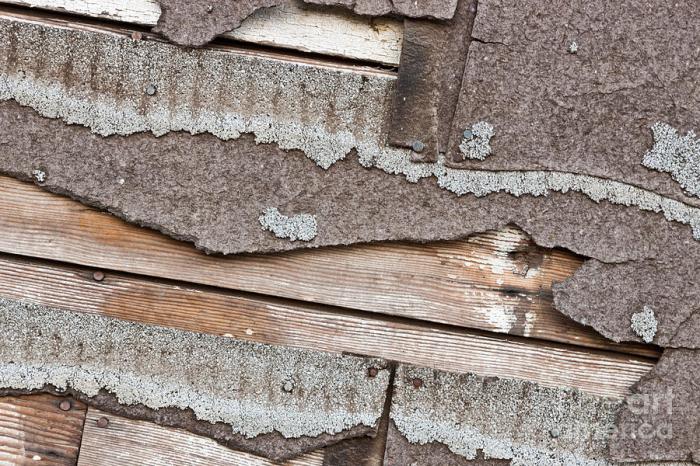
Asbestos exposure poses serious health risks that can have long-term consequences on an individual’s well-being. Asbestos shingles, commonly used in older buildings, can contribute to various health hazards due to the presence of asbestos fibers in the material.
Respiratory Issues
Asbestos shingles can release asbestos fibers into the air when they are disturbed or deteriorate over time. Inhalation of these fibers can lead to respiratory issues such as asbestosis, lung cancer, and mesothelioma. These conditions may not manifest immediately but can develop over years of exposure to asbestos.
Potential Consequences of Deterioration
When asbestos shingles deteriorate, either due to aging or external factors, the risk of asbestos fiber release increases significantly. As these fibers become airborne, they can be easily inhaled or ingested, leading to the aforementioned respiratory issues. It is crucial to address any deterioration of asbestos shingles promptly to minimize the health risks associated with exposure.
Removal and Disposal of Asbestos Shingles
When it comes to the removal and disposal of asbestos shingles, it is crucial to follow proper procedures to ensure the safety of everyone involved and to prevent the spread of harmful asbestos fibers.
Proper Procedures for Removing Asbestos Shingles
- Before starting the removal process, wet the shingles to minimize the release of fibers into the air.
- Wear appropriate personal protective equipment, including a respirator, disposable coveralls, gloves, and eye protection.
- Avoid breaking or cutting the shingles to prevent the release of asbestos fibers.
- Remove the shingles carefully and place them in sealed plastic bags labeled as containing asbestos waste.
- Thoroughly clean the work area with wet mops and rags to remove any remaining debris and fibers.
Safety Measures Required During Asbestos Shingle Removal
- Ensure proper ventilation in the work area to reduce exposure to asbestos fibers.
- Regularly wet the shingles and the work area to keep fibers from becoming airborne.
- Use caution when handling sharp tools to avoid damaging the shingles and releasing fibers.
- Properly dispose of contaminated clothing and equipment after the removal process.
- Monitor air quality during and after the removal to ensure that asbestos levels are within safe limits.
Regulations for the Disposal of Asbestos-Containing Materials
- Follow local, state, and federal regulations regarding the disposal of asbestos waste.
- Contact qualified asbestos removal professionals or waste disposal companies for proper disposal methods.
- Do not dispose of asbestos-containing materials in regular trash bins or landfills.
- Label all asbestos waste containers clearly to indicate the presence of hazardous materials.
- Keep records of disposal activities to ensure compliance with regulations and guidelines.
Alternatives to Asbestos Shingles
When considering alternatives to asbestos shingles for your roofing needs, there are several modern materials available that offer various benefits and drawbacks. Switching to these alternative materials can provide a safer and more sustainable roofing solution for your home.
Metal Roofing
Metal roofing has become a popular alternative to asbestos shingles due to its durability, longevity, and energy efficiency. It is lightweight, fire-resistant, and recyclable, making it a sustainable choice for environmentally-conscious homeowners.
Composite Roofing
Composite roofing materials, such as synthetic tiles or shakes, offer the look of traditional materials like wood or slate without the maintenance or susceptibility to damage. These materials are often made from recycled plastics and rubber, providing a eco-friendly option for roofing.
Clay or Concrete Tiles
Clay or concrete tiles are another alternative to asbestos shingles that offer a classic and elegant look to your home. These materials are durable, fire-resistant, and have a long lifespan, making them a sustainable choice for homeowners looking for a traditional aesthetic.
Solar Roofing
Solar roofing systems have gained popularity as a sustainable alternative to traditional roofing materials. These systems not only provide protection for your home but also generate clean, renewable energy to help reduce your electricity bills and carbon footprint.
Conclusion
In conclusion, asbestos shingles, while once widely used, now pose significant health risks and environmental concerns. By exploring safer alternatives and understanding proper removal protocols, we can ensure a healthier future for both ourselves and the planet.
Expert Answers
What are asbestos shingles made of?
Asbestos shingles are typically made of a mixture of asbestos fibers, cement, and fillers for added strength and durability.
What are the health risks associated with asbestos shingles?
Exposure to asbestos fibers from shingles can lead to serious respiratory issues and even lung cancer over time.
How should asbestos shingles be properly removed?
It is crucial to hire professionals who follow strict safety protocols and regulations when removing asbestos shingles to minimize exposure risks.
What are some sustainable alternatives to asbestos shingles?
Modern roofing materials such as metal, clay tiles, and composite shingles offer eco-friendly options that are safer and more sustainable than asbestos.