Exploring the Average Cost Per Square to Install Vinyl Siding
Embark on a journey into the world of vinyl siding installation costs, where we unravel the factors, breakdowns, strategies, and regional influences that shape the average cost per square foot. Get ready to delve into the details of this essential home improvement topic.
Factors influencing the cost of vinyl siding installation
When estimating the average cost per square foot of installing vinyl siding, various factors come into play that can greatly impact the final price. It is essential to consider these factors to understand the variations in pricing and to budget effectively for the installation project.
Quality of Vinyl Siding
The quality of the vinyl siding material itself is a significant factor in determining the cost of installation. Higher quality materials tend to be more durable, have better insulation properties, and come in a wider range of styles and colors.
As a result, opting for premium quality vinyl siding will increase the overall cost of the installation.
Size and Complexity of the Project
The size of the project, including the total square footage of the area to be covered, as well as the complexity of the installation, can affect the cost per square foot. Larger projects will naturally require more materials and labor, leading to higher overall costs.
Additionally, intricate designs or hard-to-reach areas may require additional time and expertise, further increasing the price.
Labor Costs
Labor costs play a significant role in determining the overall cost of vinyl siding installation. The expertise and experience of the installation crew, as well as the location of the project, can impact labor costs. For instance, hiring highly skilled professionals in urban areas may cost more than hiring less experienced installers in rural areas.
Additional Features and Customizations
Incorporating additional features such as trim work, insulation, or custom design elements can significantly increase the cost of vinyl siding installation. These extra touches require more materials and labor, adding to the overall expenses of the project.
Removal of Existing Siding
If there is existing siding that needs to be removed before the new vinyl siding can be installed, this process can add to the overall cost. The complexity of removing the old siding, as well as any repairs needed to the underlying structure, will impact the final price of the installation.
Location and Season
The location of the project and the time of year can also influence the cost of vinyl siding installation. Factors such as local building codes, permit requirements, and weather conditions can affect pricing. Additionally, demand for installation services may fluctuate seasonally, leading to price variations.
Average cost breakdown for vinyl siding installation
When it comes to installing vinyl siding, understanding the average costs breakdown can help homeowners make informed decisions. This breakdown typically includes material costs, labor expenses, and additional costs that may arise during the installation process.
Materials Cost
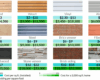
- Standard vinyl siding: $1.00 – $2.50 per square foot
- Premium vinyl siding: $2.50 – $4.00 per square foot
Labor Cost
- Installation labor: $1.00 – $3.00 per square foot
Additional Expenses
- Equipment rental: $50 – $100 per day
- Permit fees: $100 – $300
- Removal and disposal of old siding: $1,000 – $2,000
Quality and Style Impact
The cost of vinyl siding can vary based on the quality and style chosen. Premium vinyl siding options often come with a higher price tag due to their durability, aesthetics, and additional features. While standard vinyl siding is more budget-friendly, it may lack the same level of quality and longevity.
Homeowners should consider their preferences and budget constraints when selecting the right vinyl siding for their property.
Cost-saving strategies for vinyl siding installation
When it comes to installing vinyl siding, there are several strategies homeowners can implement to reduce costs and stay within budget.
DIY Options vs. Hiring Professionals
One way to save on installation costs is by considering whether to tackle the project yourself or hire professionals. While a DIY approach can save money on labor costs, it is essential to have the necessary skills and tools to ensure a successful installation.
Hiring professionals may incur higher upfront costs but can result in a more efficient and high-quality installation, ultimately saving money in the long run by avoiding potential mistakes.
Obtaining Multiple Quotes
Another cost-saving strategy is to obtain multiple quotes from different contractors. By comparing prices and services offered, homeowners can choose the most competitive option that fits their budget. It is important to consider not only the total cost but also the quality of materials and workmanship provided by each contractor.
Financing Options and Incentives
Homeowners can explore financing options such as home improvement loans or special financing programs offered by manufacturers or contractors. Some incentives, such as rebates or discounts, may also be available for energy-efficient siding options, helping to lower overall installation costs.
It is advisable to research and inquire about these opportunities before starting the project.
Regional variations in vinyl siding installation costs
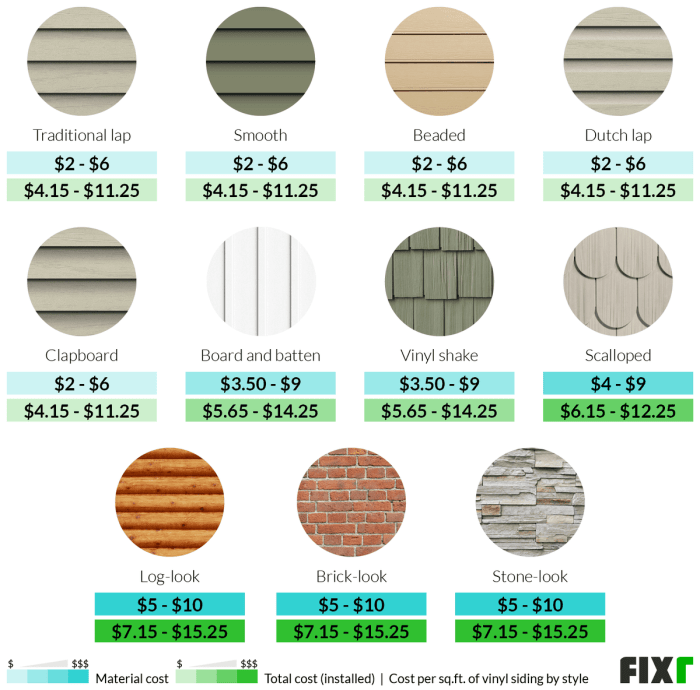
When it comes to the cost of installing vinyl siding, one of the key factors that can greatly influence the price is the region where the installation is taking place. Different areas across the country have varying costs associated with labor, materials, and overall demand for siding installation services.
Impact of Location on Costs
- Regions with higher costs: Urban areas and regions with high living costs typically have higher vinyl siding installation costs. Places with stringent building codes or limited availability of skilled labor may also contribute to higher prices.
- Regions with lower costs: Rural areas or regions with lower living expenses generally have lower vinyl siding installation costs. Areas with a surplus of skilled labor or less demand for siding services may offer more competitive pricing.
Factors Influencing Regional Cost Variations
- Climate impact: Regions with extreme weather conditions may require additional preparation or specialized materials, leading to higher costs.
- Labor availability: Areas with a shortage of skilled siding installers may charge higher prices due to increased demand.
- Market demand: High demand for siding installation services in certain regions can drive up prices, especially during peak seasons.
Recommendations for Homeowners in High-Cost Regions
- Get multiple quotes: Compare quotes from different contractors to ensure you are getting a competitive price.
- Consider timing: Schedule your installation during the off-peak season to potentially secure lower prices.
- Explore financing options: Look into financing or payment plans to spread out the cost over time.
Final Review
As we conclude our discussion on the average cost per square to install vinyl siding, remember to consider the various elements we’ve explored to make informed decisions. Whether you’re looking to save costs, understand regional differences, or choose between materials, this guide has equipped you with valuable insights for your next project.
Essential Questionnaire
What factors can influence the cost of vinyl siding installation?
Factors like material quality, labor costs, additional expenses, and customization options can impact the overall cost per square foot.
How can homeowners save on vinyl siding installation costs?
Homeowners can save by exploring DIY options, obtaining multiple quotes, and considering financing or incentives available in the market.
Are there significant regional variations in vinyl siding installation costs?
Yes, location plays a crucial role in pricing, with regions experiencing different costs due to factors like climate, labor availability, and market demand.