Exploring Green House Siding Options
Embark on a journey through the world of green house siding, where eco-friendly materials and sustainable choices shape the landscape of modern construction. This introduction sets the stage for an informative and engaging exploration of the topic.
As we delve deeper, we uncover the various types of green house siding materials available and the considerations that come into play when choosing the right option for your eco-friendly abode.
Types of Green House Siding
When it comes to choosing the right siding for your green house, there are several options available. Each type of siding material comes with its own set of pros and cons in terms of durability, eco-friendliness, and maintenance.
Wood Siding
Wood siding is a popular choice for green houses due to its natural look and feel. While wood siding is biodegradable and renewable, it requires regular maintenance to prevent rot and decay. In terms of durability, wood siding may not be as long-lasting as other materials like vinyl or fiber cement.
Vinyl Siding
Vinyl siding is known for its low maintenance requirements and durability. While not as eco-friendly as wood or fiber cement, vinyl siding can last for many years without needing to be replaced. However, it is not biodegradable and can release harmful chemicals into the environment during production and disposal.
Fiber Cement Siding
Fiber cement siding is a popular choice for eco-friendly green houses. Made from a mixture of cement, sand, and cellulose fibers, fiber cement siding is durable, fire-resistant, and resistant to rot and pests. It is also low maintenance and can be painted to achieve the desired look.
However, the production of fiber cement siding can have a high environmental impact, and it may not be as sustainable as other materials like wood.
Eco-Friendly Siding Options
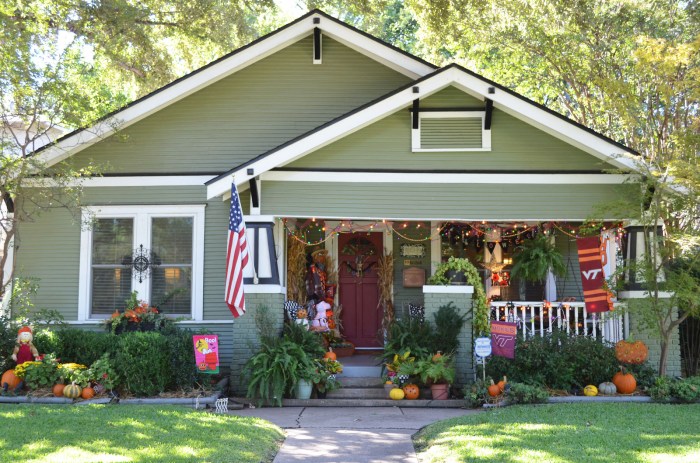
When it comes to choosing siding for green houses, opting for eco-friendly materials is crucial for reducing environmental impact and promoting sustainability. Let’s explore some sustainable siding options that are perfect for green construction projects.
Recycled Plastic Siding
Using recycled plastic siding is a great eco-friendly option for green houses. This material is made from recycled plastic bottles and other plastic waste, diverting them from landfills and reducing the need for new plastic production. Recycled plastic siding is durable, low-maintenance, and resistant to rot and pests.
By choosing this siding option, you are not only helping the environment by reducing plastic waste but also enjoying a long-lasting and sustainable siding solution for your green house.
Reclaimed Wood Siding
Incorporating reclaimed wood siding in green house construction is another excellent eco-friendly choice. Reclaimed wood is salvaged from old buildings, barns, or other structures, giving it a new life and preventing the need for cutting down more trees. Reclaimed wood siding adds a unique and rustic look to your green house while reducing the demand for new timber.
By using reclaimed wood, you are promoting sustainable forestry practices and contributing to the preservation of natural resources.
Installation and Maintenance
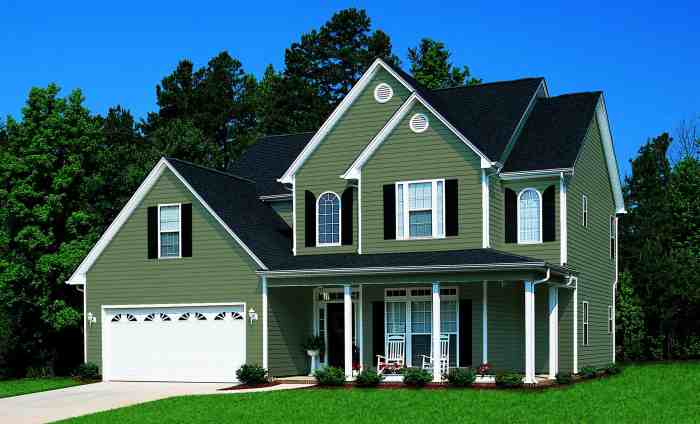
When it comes to installing and maintaining green house siding, there are specific steps and tips to follow to ensure the longevity and efficiency of the siding.
Installation Guide
Installing green house siding requires careful attention to detail to guarantee proper insulation and protection for your green house. Here is a step-by-step guide to help you with the installation process:
- Clean the surface: Make sure the surface where the siding will be installed is clean and free of any debris or dirt.
- Measure and cut: Measure the dimensions of the siding panels accurately and cut them to fit the walls of your green house.
- Install vapor barrier: Before attaching the siding panels, install a vapor barrier to prevent moisture from seeping into the walls.
- Attach the siding: Use the appropriate tools and fasteners to securely attach the siding panels to the walls of your green house.
- Seal the edges: Seal the edges of the siding panels to ensure a tight fit and prevent any gaps where moisture can enter.
- Finish the installation: Once all the siding panels are in place, inspect the installation for any gaps or imperfections and make any necessary adjustments.
Maintenance Tips
Proper maintenance is essential to preserve the quality and appearance of your green house siding. Here are some tips to help you maintain your siding:
- Regular cleaning: Clean the siding periodically to remove dirt, dust, and debris that can accumulate on the surface.
- Inspect for damage: Regularly inspect the siding for any signs of damage, such as cracks, dents, or loose panels, and repair them promptly.
- Paint or seal: If your siding requires painting or sealing, make sure to do so as needed to protect it from the elements.
- Trim vegetation: Keep vegetation around the green house trimmed to prevent it from rubbing against the siding and causing damage.
- Monitor moisture: Check for any signs of moisture buildup or leaks around the siding and address them immediately to prevent water damage.
Importance of Proper Insulation
Proper insulation is crucial when installing siding on a green house to ensure energy efficiency and temperature control. Insulation helps regulate the internal temperature of the green house, reducing the need for excessive heating or cooling. It also helps prevent moisture buildup and mold growth, protecting the structural integrity of the green house.
By investing in good insulation during the siding installation process, you can create a more sustainable and eco-friendly environment for your plants while lowering your energy costs.
Cost Considerations and ROI
When it comes to choosing the right siding for your green house, cost considerations and return on investment play a crucial role. Understanding the cost variances between different materials and the long-term benefits can help you make an informed decision.
Cost Differences between Green House Siding Materials
It’s essential to compare the cost of various green house siding materials before making a decision. Here is a breakdown of the cost variances:
- Wood Siding: Generally more affordable upfront, but may require more maintenance over time.
- Vinyl Siding: A budget-friendly option with low maintenance costs, but may not offer the same level of insulation as other materials.
- Fiber Cement Siding: Moderately priced with excellent durability and low maintenance requirements.
- Composite Siding: Offers a balance between cost and quality, providing good insulation and durability.
Return on Investment of High-Quality Siding
Investing in high-quality siding for your green house can result in long-term benefits and a higher return on investment. Here are some key points to consider:
- Energy Efficiency: Quality siding can improve insulation and reduce energy costs over time.
- Durability: High-quality materials are more resistant to wear and tear, requiring less maintenance and repair.
- Curb Appeal: Upgrading to premium siding can increase the value of your property and enhance its overall aesthetics.
Budget-Friendly Options for Green House Siding
For those looking to save on costs without compromising quality, there are budget-friendly options available:
- Recycled Materials: Utilizing recycled siding materials can be a cost-effective and eco-friendly choice.
- DIY Installation: Opting for DIY installation can help reduce labor costs, but ensure you have the necessary skills and tools.
- Maintaining Existing Siding: Proper maintenance of your current siding can extend its lifespan and save you money in the long run.
Closing Summary
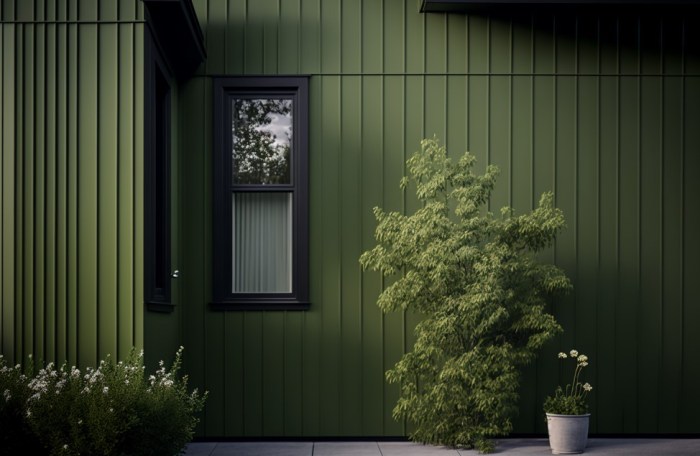
In conclusion, green house siding offers a blend of functionality, aesthetics, and environmental consciousness that can transform any structure into a sustainable haven. From installation to maintenance, the choices you make can have a lasting impact on your home and the planet.
FAQ Corner
What are the most common types of green house siding materials?
Common types include wood, vinyl, and fiber cement siding, each with its own set of advantages and considerations.
How can I maintain the quality of my green house siding?
Regular cleaning and inspections, along with prompt repairs, can help preserve the integrity and appearance of your siding.
Is reclaimed wood siding a good choice for eco-friendly green houses?
Reclaimed wood siding not only adds a unique aesthetic but also contributes to sustainable construction practices by repurposing materials.