Repairing Loose Aluminum Siding: Essential Tips and Techniques
Exploring the realm of loose aluminum siding repair, this introduction sets the stage for a deep dive into the intricacies of fixing this common issue. From understanding the causes to learning about repair techniques, this guide offers a comprehensive insight into restoring your siding to its former glory.
As we delve further into the nuances of loose aluminum siding repair, you’ll uncover valuable information that can help you tackle this task with confidence and efficiency.
Understanding Loose Aluminum Siding Repair
When it comes to loose aluminum siding, it is important to understand the common causes, the significance of timely repairs, and the risks associated with neglecting these repairs.
Common Causes of Loose Aluminum Siding
- Improper installation techniques can lead to loose aluminum siding as the panels may not be securely fastened to the structure.
- Harsh weather conditions, such as strong winds or storms, can cause the siding to become loose over time.
- Aging of the siding material can also result in loosening, especially if the panels were not properly maintained or inspected regularly.
Importance of Timely Repair
- Timely repairs can prevent further damage to the siding and the underlying structure of the building.
- Addressing loose aluminum siding promptly can help maintain the overall aesthetics and curb appeal of the property.
- Ignoring repairs can lead to water infiltration, which can cause mold growth, rot, and structural damage.
Potential Risks of Neglecting Loose Aluminum Siding Repair
- Water damage resulting from loose siding can compromise the integrity of the building, leading to costly repairs in the future.
- Pests and insects can find their way into the gaps created by loose siding, causing further damage and potential health hazards.
- Aesthetic deterioration of the property can decrease its value and make it less appealing to potential buyers or tenants.
Tools and Materials Needed for Repair
When it comes to fixing loose aluminum siding, having the right tools and materials is essential for a successful repair job. In addition to the tools, it is also important to prioritize safety equipment to prevent any accidents or injuries while working on the siding.
Essential Tools
- Caulk gun
- Screwdriver
- Tin snips
- Hammer
- Level
- Ladder
- Tape measure
- Gloves
Specific Materials
- Aluminum siding panels
- Screws
- Aluminum nails
- Caulk
- Paint (matching the siding color)
- Aluminum trim pieces
Safety Equipment
- Safety goggles
- Work gloves
- Dust mask
- Hard hat
- Steel-toed boots
Preparation Steps Before Repair
Before repairing loose aluminum siding, it is crucial to properly assess the extent of damage, prepare the work area, and clean the siding to ensure a successful repair.
Assessing the Extent of Damage
- Inspect the entire length of the aluminum siding to identify areas that are loose, dented, or damaged.
- Check for any signs of water damage, such as mold or mildew, which may indicate underlying issues that need to be addressed.
- Assess if the siding is salvageable or if it needs to be replaced entirely based on the severity of the damage.
Preparing the Work Area
- Clear the area around the damaged siding of any obstacles or debris to create a safe workspace.
- Ensure that there is enough space to maneuver and access the siding for repair without any obstructions.
- Protect nearby plants, furniture, and other surfaces from any debris or materials that may fall during the repair process.
Cleaning the Siding Before Repair
- Use a mild detergent and water solution to clean the aluminum siding, removing dirt, grime, and any other buildup that may affect the repair.
- Rinse the siding thoroughly with clean water to ensure all cleaning residues are removed before starting the repair.
- Allow the siding to dry completely before proceeding with any repair work to ensure better adhesion of materials and a more durable fix.
Repair Techniques for Loose Aluminum Siding
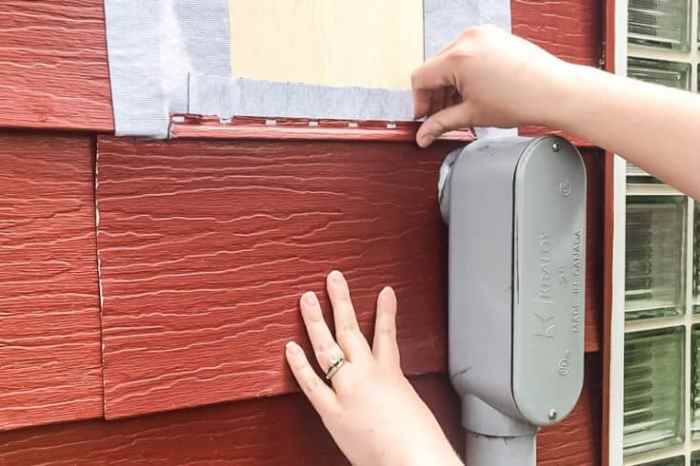
When dealing with loose aluminum siding, it is crucial to repair it properly to prevent further damage and ensure the longevity of your siding. Here are some repair techniques to help you reattach loose aluminum siding panels securely without causing more harm.
Reattaching Methods
- Using screws: One common method is to use screws to secure the loose siding panels back in place. Make sure to use screws that are suitable for outdoor use and won’t rust over time.
- Applying adhesive: Another option is to apply adhesive behind the loose siding panels before pressing them back into place. This can be an effective way to ensure a secure attachment.
Securing Without Damage
- Be gentle: When reattaching loose siding, avoid using excessive force that could dent or damage the panels further. Take your time and work carefully to ensure a secure yet gentle repair.
- Check for alignment: Before securing the siding in place, make sure it is properly aligned with the surrounding panels. This will help maintain a cohesive look and prevent any gaps or misalignments.
When to Replace Instead of Repair
- Extensive damage: If the siding panels are severely damaged or bent out of shape, it may be more practical to replace them entirely rather than attempting to repair them.
- Rust or corrosion: If you notice significant rust or corrosion on the siding panels, it’s a sign that they are beyond repair. In such cases, replacing the damaged sections is the best course of action.
Finishing Touches and Maintenance
After repairing loose aluminum siding, it is important to give attention to finishing touches and maintenance to ensure the longevity and appearance of your siding. Here are some tips and preventive measures to consider:
Blending the Repaired Area with the Rest of the Siding
When repairing loose aluminum siding, the goal is to make the repaired area blend seamlessly with the rest of the siding. Here are some tips to achieve this:
- Match the paint color: Use the same color of paint that was used on the existing siding to touch up the repaired area.
- Blend the texture: Try to mimic the texture of the surrounding siding by using a similar technique when applying the paint.
- Smooth out any imperfections: Sand down any rough edges or bumps on the repaired area to ensure a smooth finish.
Preventive Maintenance Measures
To avoid future issues with aluminum siding, it is important to take preventive maintenance measures. Here are some recommendations:
- Regular cleaning: Keep your siding clean by washing it with a mixture of mild soap and water to prevent dirt and grime buildup.
- Inspect for damage: Periodically inspect your siding for any signs of damage or loose panels to address them promptly.
- Trim trees and bushes: Trim back any overhanging branches or bushes that could potentially damage the siding during storms or high winds.
Protecting Aluminum Siding from Becoming Loose Again
To protect your aluminum siding from becoming loose again, consider the following recommendations:
- Secure loose panels: Use screws or nails to secure any loose panels to prevent them from coming off in the future.
- Apply sealant: Seal any gaps or joints in the siding with a quality sealant to prevent water infiltration that can lead to loosening.
- Regular maintenance: Stay proactive with your siding maintenance by addressing any issues promptly to prevent them from escalating.
Last Point
In conclusion, mastering the art of repairing loose aluminum siding is not only about fixing the visible damage but also about preventing future issues. By following the Artikeld steps and tips, you can ensure your siding remains secure and intact for years to come.
FAQ Resource
What are the common causes of loose aluminum siding?
Common causes include improper installation, harsh weather conditions, and aging of the siding material.
When should damaged sections of aluminum siding be replaced instead of repaired?
Damaged sections should be replaced if the extent of the damage is too severe or if multiple repairs have already been attempted.
What preventive maintenance measures can I take to avoid future issues with aluminum siding?
Regularly inspecting the siding, ensuring proper installation, and cleaning it periodically can help prevent future problems.