Exploring the Cost of New Vinyl Siding Installation
Starting with the intricacies of new vinyl siding cost, this article dives into the key factors that influence pricing and explores different types of siding options to help you make an informed decision for your home.
Delving into the nuances of material quality, labor costs, and style variations, the discussion aims to provide a comprehensive guide to understanding the expenses involved in installing new vinyl siding.
Factors influencing the cost of new vinyl siding installation
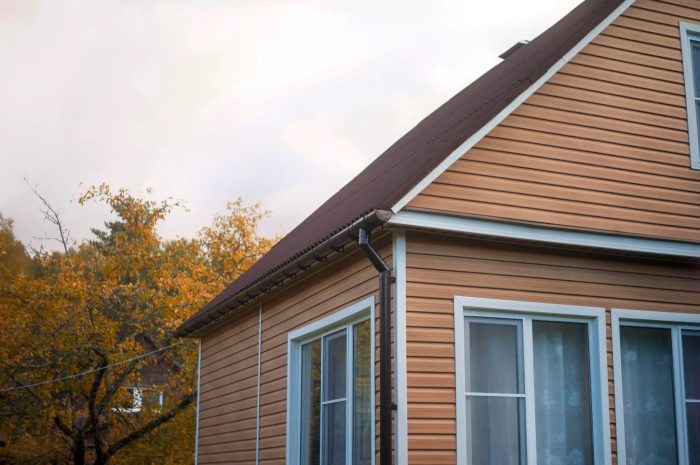
When considering the cost of installing new vinyl siding, several factors come into play that can affect the overall expenses. Understanding these factors can help homeowners make informed decisions about their siding project.
Size of the house
The size of the house is a significant factor in determining the cost of new vinyl siding installation. Larger homes will require more materials and labor, resulting in higher overall expenses. The square footage of the exterior walls to be covered with vinyl siding directly impacts the amount of material needed, which in turn influences the cost.
Material quality
The quality of the vinyl siding material chosen also plays a crucial role in determining the cost of installation. Higher quality materials typically come at a higher price point but offer increased durability, better insulation, and a more aesthetically pleasing appearance.
Homeowners should consider their budget and long-term goals when selecting the material for their siding project.
Labor costs
Labor costs are another essential factor to consider when calculating the total expenses of new vinyl siding installation. The expertise and experience of the installation crew, as well as the complexity of the project, can impact labor costs. Additionally, factors such as the location of the house, accessibility of the worksite, and any potential obstacles can influence the labor expenses involved in the installation process.
Types of Vinyl Siding and Their Cost Implications
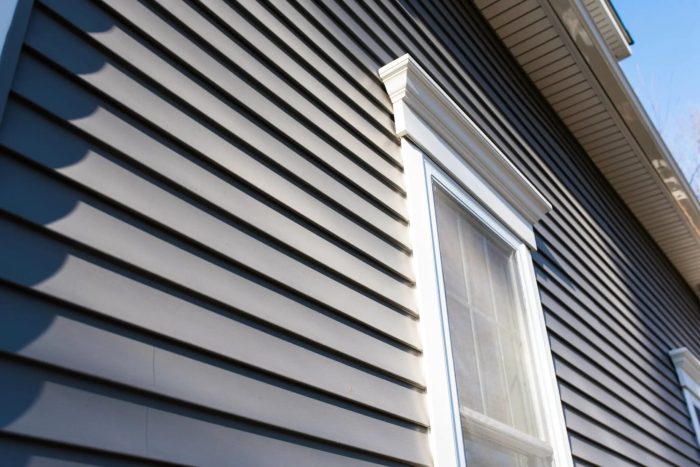
When it comes to choosing vinyl siding for your home, there are various types available that come with different price tags. Understanding the differences between basic, mid-range, and premium vinyl siding can help you make an informed decision based on your budget and preferences.
Basic Vinyl Siding
Basic vinyl siding is the most affordable option and is often chosen for its cost-effectiveness. It typically comes in a limited range of colors and styles, with a smooth finish. While basic vinyl siding may be budget-friendly, it may lack some of the durability and aesthetic features of higher-end options.
Mid-Range Vinyl Siding
Mid-range vinyl siding offers a balance between affordability and quality. It comes in a wider variety of colors and textures, allowing for more customization options. The durability and performance of mid-range vinyl siding are usually better than basic options, making it a popular choice for many homeowners.
Premium Vinyl Siding
Premium vinyl siding is the top-tier option, offering the highest quality and aesthetics. It comes in a vast array of colors, textures, and styles, often mimicking the look of real wood or stone. Premium vinyl siding is highly durable, resistant to fading and damage, and can significantly enhance the curb appeal of your home.
However, it comes with a higher price tag compared to basic and mid-range options.
Style and Texture Impact
The style and texture of vinyl siding can also affect the overall cost of installation. Intricate designs, patterns, or textures may require more labor and materials, leading to higher costs. Additionally, premium finishes or specialty styles may come at a premium price compared to simpler, standard options.
Additional Features
In addition to the type, style, and texture of vinyl siding, there are other features that can impact the cost of installation. Factors such as the size of your home, the complexity of the installation process, the need for additional insulation or weatherproofing, and the inclusion of accessories like trim pieces or decorative elements can all contribute to the final price.
It’s essential to consider all these factors when planning for new vinyl siding installation to ensure you get the best value for your investment.
Cost-saving tips and strategies for new vinyl siding
When it comes to installing new vinyl siding, there are several cost-saving tips and strategies that can help you stay within budget without compromising on quality.
Ways to negotiate with contractors for better pricing
- Obtain multiple quotes from different contractors to compare prices and services offered.
- Ask if the contractor offers discounts for off-peak season installations or bulk orders.
- Consider negotiating the price based on the size of the project or the materials used.
- Be open to discussing payment plans or financing options to spread out the cost.
Benefits of bundling services for cost efficiency
- Bundle siding installation with other home improvement projects, such as roofing or window replacement, to receive a discounted package deal.
- Some contractors offer discounts when multiple services are booked together, saving you money in the long run.
- By bundling services, you may also save on labor costs and reduce the overall project timeline.
Detail how DIY installation can reduce overall expenses
- If you have experience in home improvement projects, consider installing the vinyl siding yourself to save on labor costs.
- DIY installation allows you to purchase materials at retail prices without markups from contractors.
- However, ensure you have the necessary tools and skills to complete the installation correctly to avoid costly mistakes or repairs down the line.
Comparing new vinyl siding cost with other siding materials
Vinyl siding is often chosen for its affordability and low maintenance requirements. However, it is important to compare the cost of vinyl siding with other popular siding materials to make an informed decision.When comparing the cost of new vinyl siding with fiber cement siding, it is important to consider the initial installation cost as well as long-term maintenance expenses.
Fiber cement siding typically has a higher upfront cost compared to vinyl siding, but it is known for its durability and longevity. On the other hand, vinyl siding is more budget-friendly initially, but may require more frequent maintenance and repairs over time, potentially adding to the overall cost.Wood siding options are another popular choice for homeowners seeking a natural and rustic look.
However, wood siding tends to be more expensive than vinyl siding, both in terms of installation and long-term maintenance. Wood siding requires regular painting or staining to protect it from the elements, which can add up in terms of time and money compared to vinyl siding which requires minimal upkeep.When it comes to maintenance costs, vinyl siding is known for its low maintenance requirements.
It typically only needs occasional cleaning with soap and water to maintain its appearance. In contrast, fiber cement siding may require repainting every 5-10 years, while wood siding needs to be repainted or restained every 3-7 years. These additional maintenance tasks can contribute to higher long-term costs for fiber cement and wood siding compared to vinyl siding.
Maintenance Costs of Different Siding Materials
- Vinyl siding: Requires minimal maintenance, only occasional cleaning with soap and water.
- Fiber cement siding: May require repainting every 5-10 years, adding to long-term maintenance costs.
- Wood siding: Needs regular painting or staining every 3-7 years, increasing maintenance expenses.
Final Wrap-Up
In conclusion, the cost of new vinyl siding is a multifaceted aspect that requires careful consideration of various factors. By exploring different types of siding, cost-saving strategies, and comparisons with alternative materials, you can make a well-informed choice that aligns with your budget and preferences.
Question & Answer Hub
What factors impact the cost of new vinyl siding installation?
The size of the house, material quality, and labor costs are key factors that influence the overall cost of installing new vinyl siding.
What are the main types of vinyl siding and how do they differ in cost?
Basic, mid-range, and premium vinyl siding vary in cost based on quality, style, and additional features.
Are there any cost-saving tips for new vinyl siding installation?
Negotiating with contractors, bundling services, and considering DIY installation are effective strategies to reduce expenses.
How does the cost of vinyl siding compare to other siding materials?
Comparisons with fiber cement and wood siding options can help understand the cost disparities and maintenance implications of different materials.