Unleashing the Power of Power Siding: A Comprehensive Guide
As power siding takes center stage, this opening passage beckons readers into a world crafted with good knowledge, ensuring a reading experience that is absorbing and distinctly original. From defining the concept to exploring installation processes, this guide covers all aspects of power siding with precision and detail.
What is Power Siding?
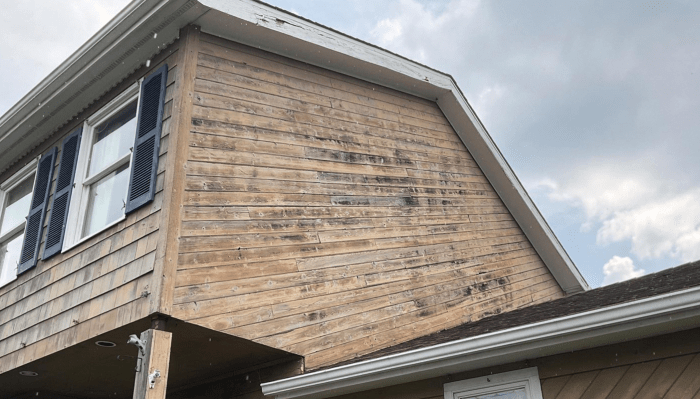
Power siding, also known as cladding, refers to the process of covering the exterior walls of a building with protective materials. This technique not only enhances the aesthetic appeal of the structure but also provides added insulation and protection against various elements.
The primary purpose of power siding is to shield the building from moisture, wind, and other environmental factors that can cause damage over time. It serves as a barrier that helps regulate temperature inside the building, leading to energy efficiency and cost savings.
Materials Used in Power Siding
- Vinyl: A popular choice due to its durability, low maintenance, and versatility in design.
- Fiber Cement: Known for its resistance to fire, insects, and rot, making it a long-lasting option.
- Wood: Offers a classic look and can be stained or painted in various colors to suit different styles.
- Brick: Provides a timeless appearance and requires minimal upkeep, adding a sense of permanence to the structure.
Types of Power Siding
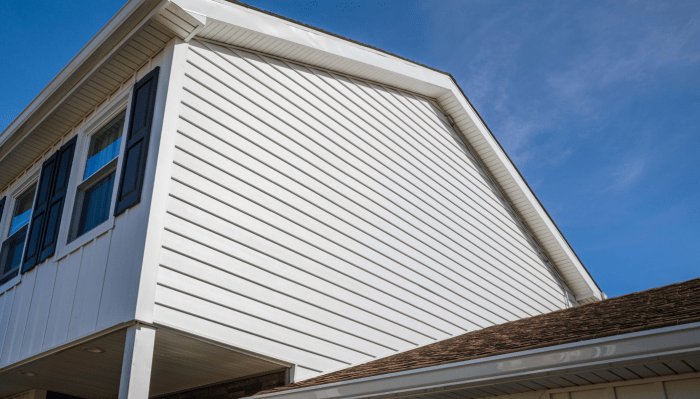
When it comes to power siding, there are several types available in the market, each with its own characteristics and benefits. Let’s explore the different types and compare them based on durability, maintenance, and aesthetics.
Vinyl Siding
Vinyl siding is a popular choice due to its affordability and low maintenance. It is durable, resistant to rot and insects, and comes in a variety of colors and styles. However, it may crack or fade over time with exposure to extreme weather conditions.
Fiber Cement Siding
Fiber cement siding is known for its durability and resistance to fire, moisture, and insects. It can mimic the look of wood or masonry without the high maintenance requirements. However, it is heavier than other types of siding and may require professional installation.
Wood Siding
Wood siding offers a natural and timeless look to a home. It can be painted or stained in various colors and finishes. However, wood siding requires regular maintenance, such as painting or staining, to prevent rotting, warping, or insect damage.
Aluminum Siding
Aluminum siding is lightweight, durable, and easy to install. It is resistant to rust and corrosion, making it a low-maintenance option. However, aluminum siding may dent easily and is not as energy-efficient as other types of siding.
Engineered Wood Siding
Engineered wood siding combines wood fibers and resin to create a durable and low-maintenance option. It mimics the look of natural wood but is more resistant to moisture, rot, and insects. However, it may be more expensive than traditional wood siding options.
Installation Process
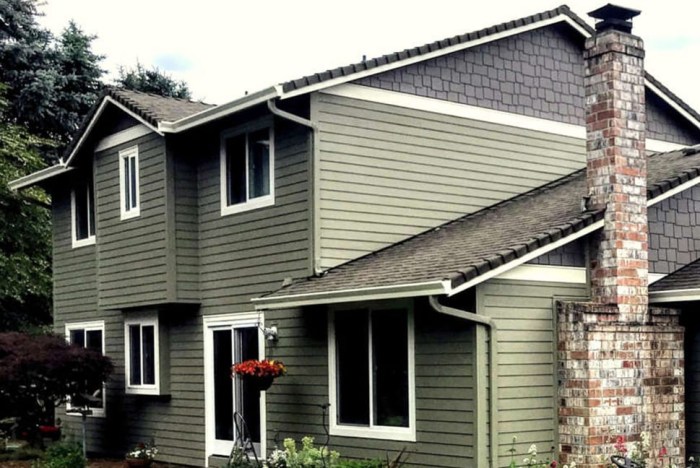
Installing power siding involves several steps to ensure a successful and long-lasting outcome. It is essential to follow the correct procedures and use the right tools for the job.
Gathering Tools and Equipment
Before beginning the installation process, make sure you have the following tools and equipment ready:
- Power drill
- Level
- Tape measure
- Hammer
- Saw (if cutting is needed)
- Nails or screws
- Utility knife
- Caulk gun
- Safety gear (gloves, goggles, etc.)
Installation Tips and Best Practices
- Start by preparing the surface where the power siding will be installed. Make sure it is clean, smooth, and dry.
- Measure and cut the siding panels accurately to fit the dimensions of the wall.
- Use a level to ensure the panels are installed straight and evenly spaced.
- Secure the panels using nails or screws, following the manufacturer’s guidelines for spacing and fastening.
- Seal the joints and edges with caulk to prevent moisture from seeping behind the siding.
- Consider hiring a professional if you are unsure about any step of the installation process.
Maintenance and Care
Regular maintenance is essential to keep power siding looking its best and functioning properly. By following a few simple care tips, you can prolong the lifespan of your power siding and prevent potential issues.
Routine Maintenance Tasks
- Inspect power siding for any signs of damage, such as cracks or loose panels, and repair them promptly.
- Clean power siding at least once a year using a mild detergent and a soft brush or cloth to remove dirt, mold, and mildew.
- Trim any vegetation near the power siding to prevent damage and ensure proper airflow.
- Check the caulking and sealant around windows, doors, and other openings to prevent water infiltration.
Cleaning and Protection
When cleaning power siding, it is essential to use a gentle approach to avoid damaging the surface. Start by rinsing the siding with water to remove loose debris, then use a mixture of water and mild detergent to scrub away dirt and stains.
Avoid using harsh chemicals or abrasive tools that could scratch or discolor the siding. For added protection, consider applying a clear sealant or wax after cleaning to help repel dirt and water.
Common Issues and Solutions
-
Mold and Mildew:
To remove mold and mildew, mix water with bleach or vinegar and scrub the affected areas. Prevent future growth by improving ventilation and sunlight exposure.
-
Color Fading:
Over time, power siding may fade due to exposure to sunlight. Consider repainting or applying a UV-resistant coating to restore its color and protect it from further damage.
-
Warped or Buckled Panels:
Warped or buckled panels are often caused by excessive heat or moisture. Replace damaged panels and address the underlying issue to prevent future damage.
Ending Remarks
In conclusion, power siding proves to be a crucial element in construction and home improvement projects. With the right materials, types, and maintenance, your power siding can stand the test of time and enhance the aesthetics of any structure. Dive into the world of power siding armed with the knowledge gained from this guide, and watch your projects transform with durability and style.
FAQ Overview
What are the benefits of power siding?
Power siding enhances the appearance of structures, provides insulation, and protects against the elements.
How often should power siding be cleaned?
It is recommended to clean power siding at least once a year to maintain its appearance and longevity.
Can power siding be painted?
Yes, power siding can be painted to change its color or refresh its appearance.
What are some common issues with power siding?
Issues such as mold growth, warping, or fading colors can occur and should be addressed promptly.